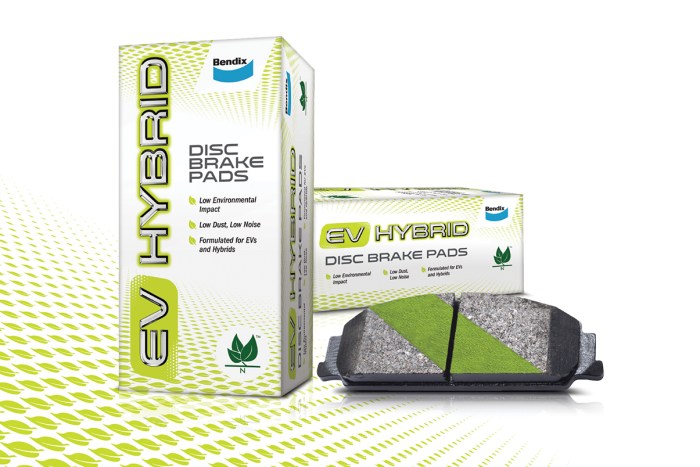
Regenerative braking repair kits play a pivotal role in enhancing the efficiency and reliability of modern electric and hybrid vehicles. These kits not only ensure that your vehicle’s braking system operates at peak performance but also contribute to energy savings and environmental sustainability. As the automotive industry shifts towards greener technologies, understanding the advantages and components of these repair kits becomes essential.
In this overview, we delve into the various types of regenerative braking repair kits available, the installation procedures, maintenance requirements, and even the emerging trends in automotive technology that are shaping the future of regenerative braking systems.
Overview of Regenerative Braking Repair Kits
Regenerative braking systems are a game-changer in modern automotive engineering. They not only enhance vehicle efficiency but also contribute significantly to energy conservation. In essence, these systems capture the energy typically lost during braking and redirect it back into the vehicle’s power source, making them especially critical for electric and hybrid vehicles.A regenerative braking repair kit typically includes essential components necessary for the maintenance and repair of these systems.
Common components found in such kits include brake pads, sensors, wiring harnesses, and sometimes even control units. These parts work in unison to ensure the regenerative braking system functions optimally. Using regenerative braking repair kits offers several benefits for electric and hybrid vehicles. Firstly, these kits can reduce the overall cost of repairs by allowing DIY enthusiasts to engage in maintenance activities.
Secondly, they help maintain the performance and efficiency of the vehicle, ensuring that the energy recovery systems operate smoothly for longer durations.
Types of Regenerative Braking Repair Kits
There are various types of regenerative braking repair kits available in the market, each catering to different needs and vehicle specifications. The most common categories include:
- Comprehensive kits that include all necessary components for a complete overhaul.
- Specific component kits focusing on high-wear parts such as brake pads and rotors.
- Sensors and diagnostic kits designed for troubleshooting and system checks.
These kits are designed to be compatible with a range of automotive models, ensuring that vehicle owners can find the right fit for their specific make and model. It’s essential to check compatibility before purchasing, as using the wrong components can lead to further issues.When comparing aftermarket repair kits with original equipment manufacturer (OEM) kits, several key features come into play.
Aftermarket kits often provide a more cost-effective solution, while OEM kits guarantee exact compatibility and reliability, albeit at a higher price point. Users must weigh these factors when making their choices.
Installation Procedures for Repair Kits
Proper installation of regenerative braking repair kits is crucial for optimal system performance. The installation process can generally be Artikeld in several steps:
- Begin by safely lifting the vehicle and securing it on jack stands.
- Remove the wheel to access the braking components.
- Carefully detach the old parts and sensors, taking note of their configuration for reinstallation.
- Install the new components from the repair kit, ensuring that everything is aligned correctly.
- Reconnect any sensors and wiring harnesses as per the manufacturer’s specifications.
- Reassemble the wheel, lower the vehicle, and perform a functionality test.
To ensure proper installation, it’s important to follow these best practices:
- Always consult the repair manual specific to the vehicle model.
- Double-check all connections and fittings.
- Test the system after installation to confirm functionality.
Common mistakes during the installation process include failing to properly torque bolts, neglecting to reconnect sensors, and misplacing components. Being aware of these pitfalls can save time and enhance safety.
Maintenance of Regenerative Braking Systems
Routine maintenance of regenerative braking systems is vital for ensuring their longevity and efficiency. Key maintenance tasks include:
- Regularly inspecting brake pads and rotors for wear and tear.
- Checking the functionality of sensors and electronic components.
- Monitoring the fluid levels in hydraulic systems if applicable.
Identifying issues early can prevent more significant problems down the road. Symptoms to watch for include unusual noises during braking, a decrease in braking responsiveness, or warning lights on the dashboard. Regular checks not only maintain system efficiency but also enhance safety, ensuring that the regenerative braking system can perform optimally when needed.
Automotive Repair Services and Regenerative Braking
Automotive repair shops play a critical role in servicing regenerative braking systems. They possess the tools and expertise necessary for proper diagnostics and repairs. Technicians specializing in regenerative braking repairs require specific training to understand the complexities of these systems, including their electronic components and integration with vehicle systems.While professional repairs may come with a higher price tag, they often guarantee quality and reliability.
On the other hand, opting for DIY repair kits can save costs but requires a good understanding of the systems involved.
Trends in Automotive Technology
Emerging trends in automotive technology are increasingly focusing on enhancing the efficiency of regenerative braking systems. For instance, advancements in battery technology are allowing for better energy storage, which directly influences the effectiveness of regenerative braking.Comparing the advancements across different vehicle types, SUVs and trucks are beginning to incorporate more sophisticated regenerative braking systems that can handle higher weights and varying terrains.
Government regulations are also driving innovation in this space, pushing manufacturers to improve energy efficiency and reduce emissions, ultimately fostering the development of more advanced regenerative braking technology.
Automotive Buying and Selling Insights
When considering the purchase of a vehicle equipped with regenerative braking systems, buyers should evaluate the benefits of these technologies in terms of fuel efficiency and maintenance costs. For those looking to sell vehicles with regenerative braking technology, highlighting the value of repair kits can attract potential buyers. Vehicles with advanced braking features often have a better resale value, especially in the growing market for hybrid and electric vehicles.
Car Detailing and Customization
Detailing and customization hold significant importance for vehicles with regenerative braking systems. Maintaining the aesthetic aspects can enhance the overall driving experience and preserve the vehicle’s value. Some tips for maintaining these vehicles include regular cleaning of brake components and ensuring that any modifications do not interfere with the braking system’s functionality. Customizing vehicles to improve performance can also include upgrading braking systems for enhanced energy recovery.
Mobile Audio Video and Automotive Accessories
The integration of mobile audio video systems has become increasingly relevant in vehicles that utilize regenerative braking. The advanced braking technology can influence the choice of automotive accessories, particularly in areas that require power management.Aftermarket audio video systems must be compatible with regenerative braking technology to avoid complications. Ensuring seamless integration is key to enhancing the driving experience without compromising system performance.
Classic Cars and Regenerative Braking
Retrofitting classic cars with regenerative braking systems poses unique challenges, including compatibility with older technologies and the need for significant modifications. However, the benefits of upgrading classic vehicles with modern braking technology are substantial, offering improved safety and efficiency.Case studies of classic car enthusiasts reveal successful implementations of regenerative braking systems, demonstrating that with proper planning and execution, these retrofits can breathe new life into beloved vintage automobiles.
Future of Regenerative Braking Technology
Future advancements in regenerative braking technology are expected to focus on enhanced efficiency and integration with emerging electric vehicle trends. As the demand for electric vehicles continues to rise, the evolution of regenerative braking systems will play a pivotal role in energy conservation.Research and development efforts are crucial in pushing the boundaries of regenerative braking technologies, aiming for systems that offer even greater energy recovery capabilities and reduced weight, which are essential for future vehicle designs.
Conclusion
In conclusion, regenerative braking repair kits are an invaluable asset for anyone looking to maintain the efficiency and performance of their electric or hybrid vehicles. With ongoing advancements in technology and a growing emphasis on sustainability, these kits not only enhance vehicle functionality but also support the shift towards more eco-friendly driving. Ensuring you have the right repair kit and knowledge for installation and maintenance will ultimately lead to a more enjoyable driving experience.
Question & Answer Hub
What are the key components of regenerative braking repair kits?
The key components typically include brake controllers, sensors, and wiring harnesses designed to enhance the braking system’s efficiency.
Can aftermarket kits replace OEM kits?
Yes, aftermarket kits can replace OEM kits, but it’s important to ensure compatibility with your vehicle model for optimal performance.
How often should I perform maintenance on my regenerative braking system?
It’s recommended to perform maintenance checks every 10,000 miles or as specified in your vehicle’s owner manual to ensure optimal function.
Are there specific tools needed for installation?
Yes, typical tools include basic hand tools like wrenches, screwdrivers, and sometimes specialized tools for brake system components.
Is professional installation necessary for these kits?
While professional installation is not strictly necessary, it can be beneficial for complex systems to avoid potential issues.