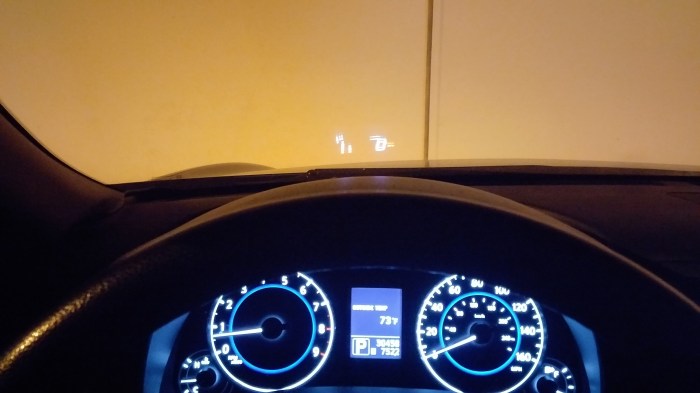
Aftermarket HUD navigation displays have revolutionized the way we navigate our journeys, combining modern technology with convenience for drivers everywhere. These displays project vital information onto the windshield, allowing drivers to keep their eyes on the road while accessing GPS directions, speed, and other pertinent data without distraction.
Not only do they enhance safety, but they also add a touch of sophistication to your vehicle. With a variety of models available in the market, there’s a perfect fit for every type of car enthusiast looking to upgrade their driving experience.
Aftermarket HUD Navigation Displays Overview
Aftermarket Head-Up Display (HUD) navigation displays are innovative devices that project vital driving information directly onto the windshield. This technology allows drivers to access navigation directions, speed, and other critical data without taking their eyes off the road. HUD displays enhance safety and convenience by providing a more intuitive interface compared to traditional dashboard displays.The advantages of using HUD displays in vehicles are numerous.
Firstly, they reduce distraction by keeping essential information at eye level. Secondly, they often come with features like real-time traffic updates and smartphone integration, making them versatile tools for modern drivers. Popular products in the market include the Garmin HUD, which offers straightforward navigation solutions, and the Navdy HUD, which provides a more interactive experience with gesture controls and voice commands.
Installation Process
Installing an aftermarket HUD navigation display can be straightforward if you follow the right steps. The process typically involves mounting the display, connecting it to power, and integrating it with the vehicle’s existing navigation system. The necessary tools for installation generally include:
- Basic hand tools (screwdrivers, pliers)
- Electrical tape
- Wire strippers
- Mounting brackets (if required)
- Manual for specific HUD model
Common challenges during installation may include difficulty in finding a suitable mounting location or issues with power connections. To overcome these, it is crucial to read the installation manual thoroughly and ensure that the vehicle’s electrical system is compatible with the HUD.
Compatibility with Different Vehicle Types
Aftermarket HUD navigation displays are designed to be compatible with a variety of vehicle types, including sedans, SUVs, trucks, and vans. However, it is essential to check compatibility before making a purchase to avoid issues during installation. Specific HUD models that work well with various vehicle types include:
- The Garmin Head-Up Display for compact cars
- The Hudway Glass for SUVs, which allows for a wider field of view
- The ViseeO HUD for trucks, designed to withstand rugged use
Ensuring compatibility not only guarantees proper function but also enhances the overall aesthetic of the vehicle.
Automotive Buying and Selling Impact
Aftermarket HUD navigation displays can significantly influence a car’s resale value. Vehicles equipped with advanced technology are often more appealing to potential buyers, as they offer modern conveniences that enhance the driving experience. During automotive auctions, features like HUDs are marketed as premium add-ons. This strategy can elevate the perceived value of the vehicle, making it more competitive in the marketplace.
Data from sales trends show that vehicles with integrated HUD technology tend to attract higher bids compared to those without.
Customization and Detailing
Aftermarket HUDs can be customized to suit individual preferences and needs. Drivers can adjust settings such as display brightness, information layout, and data types displayed to enhance user experience.Integration with other car detailing features is also possible. Many HUDs can be synced with vehicle diagnostics, allowing users to monitor engine health alongside navigation. Customization options for HUD displays range from aesthetic changes, like color themes, to functional upgrades like advanced navigation features that adapt to user habits.
Environmental Considerations
Aftermarket HUDs can have positive implications for hybrid and energy-efficient vehicles. By providing real-time navigation data, these displays can assist drivers in choosing routes that optimize fuel efficiency. Furthermore, many manufacturers are adopting sustainable practices in the production of HUD displays. This includes using eco-friendly materials and energy-efficient manufacturing processes, ensuring that the environmental impact of these devices is minimized.
Integration with Mobile Audio and Video Systems
Aftermarket HUD navigation displays can seamlessly integrate with mobile audio and video systems. This integration allows users to access music, podcasts, and video content directly from the HUD interface, enhancing the multimedia experience while driving. For optimal performance, it is important to organize audio and video connections properly. Utilizing high-quality cables and ensuring that the mobile system supports the HUD’s features can lead to a better overall experience.
Compatible mobile systems include Apple CarPlay and Android Auto, which further enhance HUD functionality.
Maintenance and Repair
Routine maintenance for aftermarket HUD displays is essential to ensure their longevity. Regularly cleaning the display surface and keeping connections secure can prevent common issues. In case problems arise, troubleshooting steps include checking power connections, resetting the device, and ensuring compatibility with the vehicle. For more complex issues, professional repair services specializing in HUD navigation displays are available, ensuring that users can maintain their devices effectively.
Trends in Automotive Technology
Upcoming trends in aftermarket HUD navigation displays include advancements in augmented reality and head-up displays that provide predictive navigation. These innovations aim to create a more immersive driving experience.Comparing traditional navigation systems with modern HUD displays reveals significant advancements in user interface and safety features. The future of HUD technology in the automotive industry looks promising, as more vehicles are expected to incorporate this technology as standard equipment, making driving safer and more connected.
Community Insights
User experiences with aftermarket HUD navigation displays highlight the benefits and challenges of these devices. Many drivers praise the increased safety and convenience that HUDs provide, while others share tips on installation and customization.Enthusiast forums and online communities serve as valuable resources where users can exchange tips and experiences regarding HUDs. These platforms enable users to seek support and share knowledge, fostering a sense of community among automotive technology enthusiasts.
Resources for installation and use can easily be found in these forums, offering additional help for both new and experienced users.
Outcome Summary
In summary, aftermarket HUD navigation displays offer a blend of safety, functionality, and style for today’s drivers. As technology continues to evolve, these displays will only become more integrated into our vehicles, enhancing navigation while maintaining focus on the road. Whether you’re looking to upgrade for your own use or increase your vehicle’s resale value, investing in a HUD display is a smart choice.
Q&A
What vehicles are compatible with aftermarket HUD navigation displays?
Most aftermarket HUD displays are compatible with a wide range of vehicles, including cars, SUVs, trucks, and vans. It’s important to check specific model compatibility before purchase.
Can I install an aftermarket HUD navigation display myself?
Yes, many users can install these displays themselves with the right tools and guidance. However, professional installation is recommended for those unfamiliar with vehicle electronics.
Do aftermarket HUD displays require maintenance?
Routine maintenance is minimal, but it’s advisable to keep the display clean and check connections regularly to ensure optimal performance.
How do aftermarket HUD navigation displays affect fuel efficiency?
By providing real-time navigation and traffic updates, HUD displays can help drivers make better route choices, potentially improving fuel efficiency.
Are aftermarket HUD displays customizable?
Yes, many aftermarket HUD displays offer customization options, allowing users to adjust settings, layouts, and even colors to suit their preferences.